Jeju Island West & South Travel Guide
Guide_Kim
2025-08-20
🌋 How Jeju Island Was Born
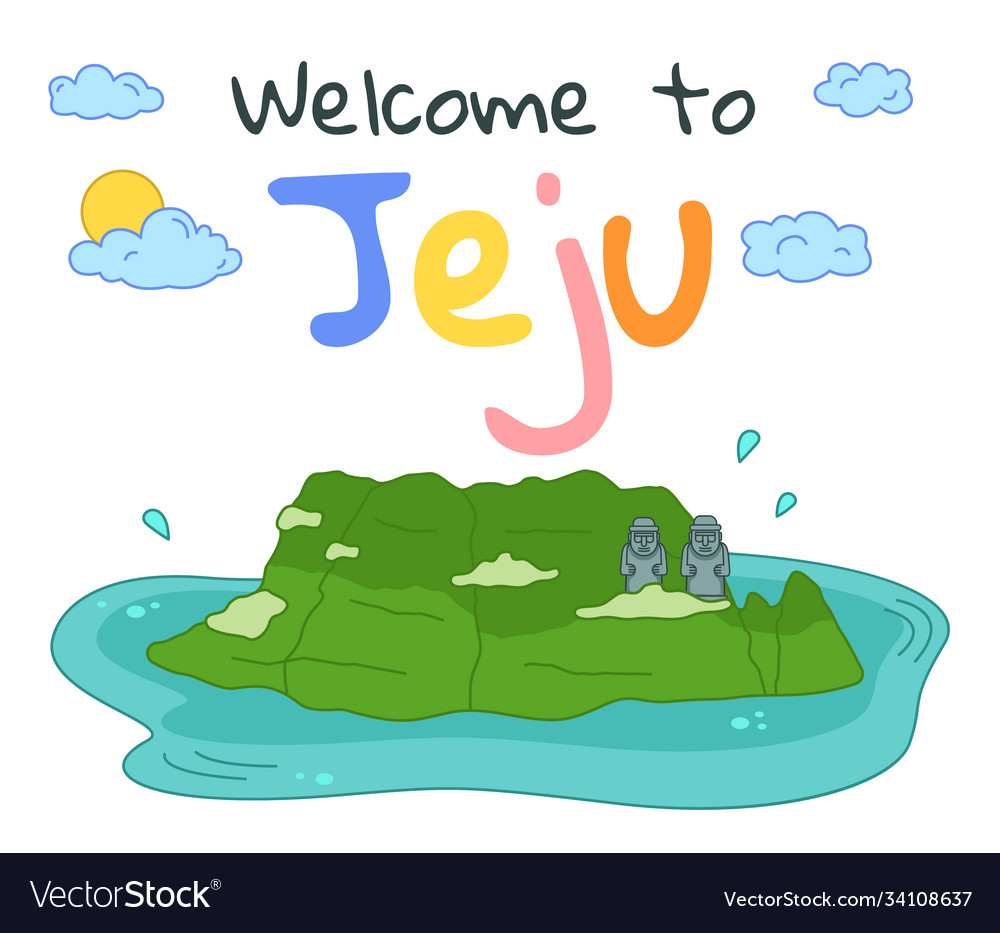
Jeju Island is a volcanic island formed about 1.8 million years ago. It was created through multiple volcanic eruptions, with Hallasan Mountain (the highest mountain in South Korea at 1,947m) at its center.
Hallasan is actually a dormant volcano. Its last eruption is believed to have happened about 5,000 years ago.
Lava flows from Hallasan shaped Jeju’s unique landscape, including lava tubes, cliffs, and craters (oreum, small parasitic cones) scattered all around the island.
This volcanic history gave Jeju its UNESCO World Natural Heritage status.
🧭 North vs. South Jeju: What’s Different?
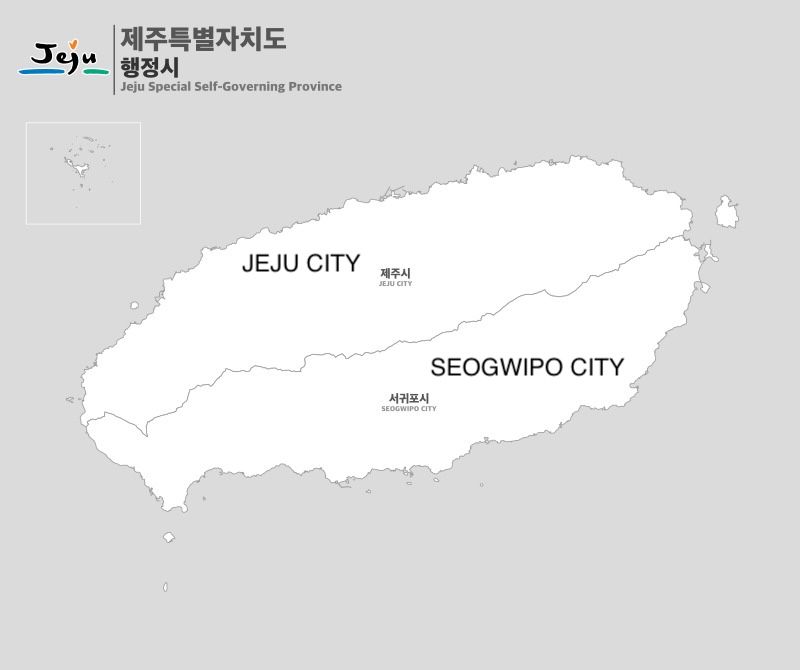
Jeju is often divided into northern (Jeju City area) and southern (Seogwipo area) regions.
North (Jeju City & surrounding)
Closer to the airport and harbor, making it the main entry point.
More urban, with shopping, nightlife, and markets.
Convenient for short trips or business travel.
South (Seogwipo & surroundings)
Known for its beautiful waterfalls, coastal cliffs, and resorts.
More relaxed atmosphere with lots of nature and ocean views.
Great for longer stays, leisure trips, and romantic getaways.
👉 North = city convenience 🏙️
👉 South = nature and relaxation 🌊
🚘 Why You Need a Rental Car in Jeju
When planning a trip to Jeju Island, one of the most important decisions is how you’ll get around. While buses and taxis are available, public transportation can be limited, especially outside of Jeju City. The western and southern regions of the island are full of hidden gems, but they’re spread out, so having a rental car gives you the freedom to explore at your own pace.
You can book through global sites such as Kayak, Expedia, or Skyscanner by searching for “Jeju Car Rental.”
These platforms provide good English support and allow payment in your home currency, making the process convenient.
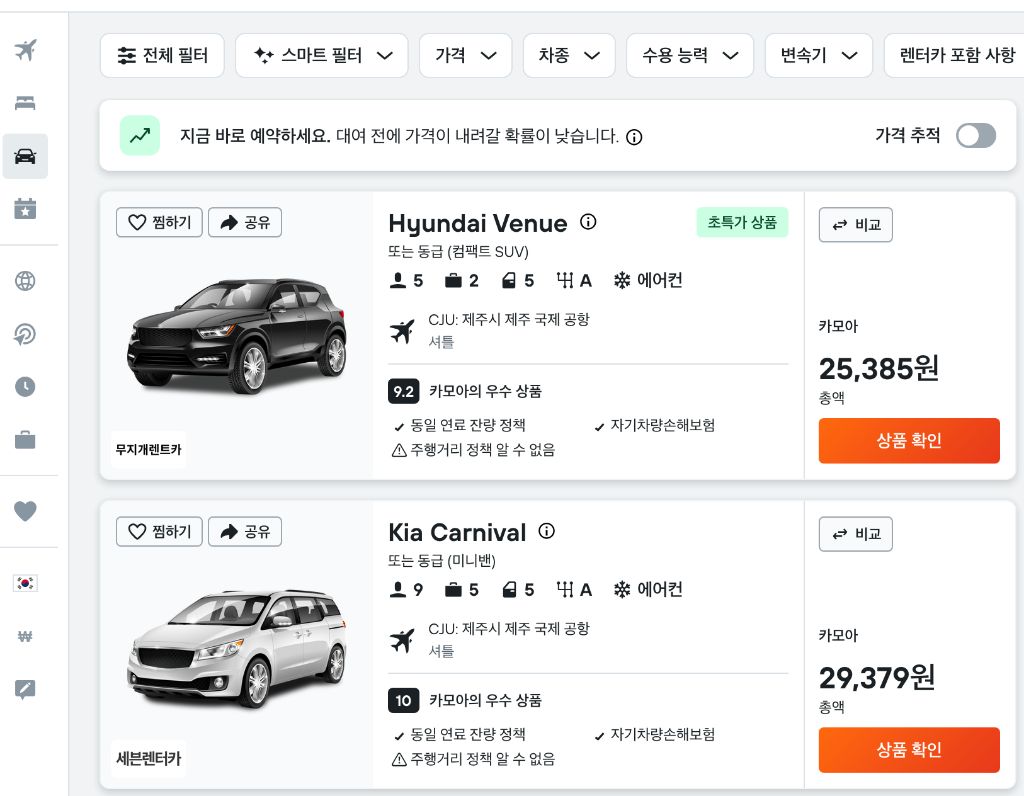
Renting a car in Jeju is much cheaper compared to other regions in Korea. You can get a small car for around $30 per day, including insurance. Be sure to compare options online to find the best deals.
Pick up at Jeju International Airport. Most companies provide a free shuttle bus to their offices near the airport.
Book early during peak season. Cars often sell out quickly in summer or holidays, so it’s best to reserve at least two weeks ahead.
With a rental car, you’ll be able to cruise along scenic coastal roads, stop at charming cafés, and reach natural attractions that aren’t easily accessible by bus.
Recommended Destinations in West Jeju
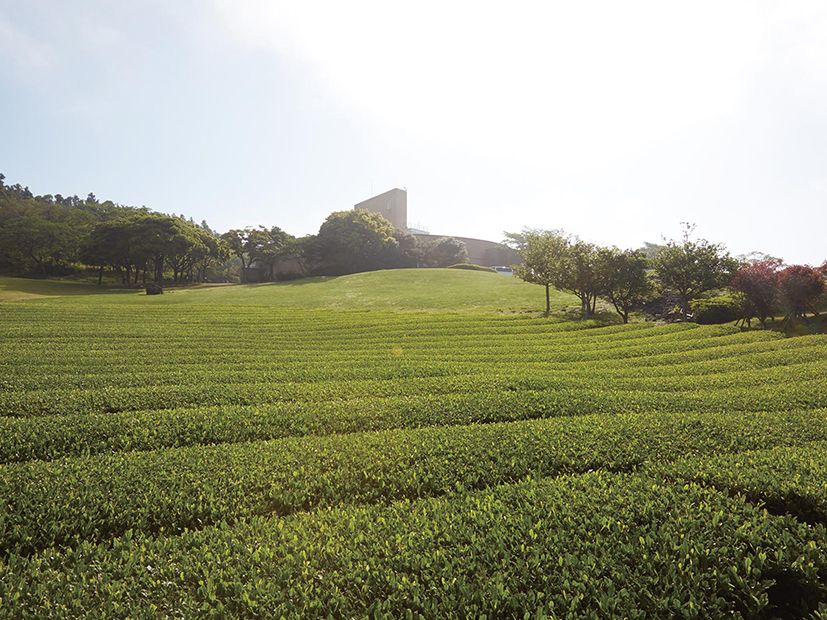
Learn about Jeju’s green tea culture while strolling through endless tea fields. Don’t miss their signature green tea ice cream.
2. ARTE MUSEUM JEJU: A Must-Visit Immersive Art Experience
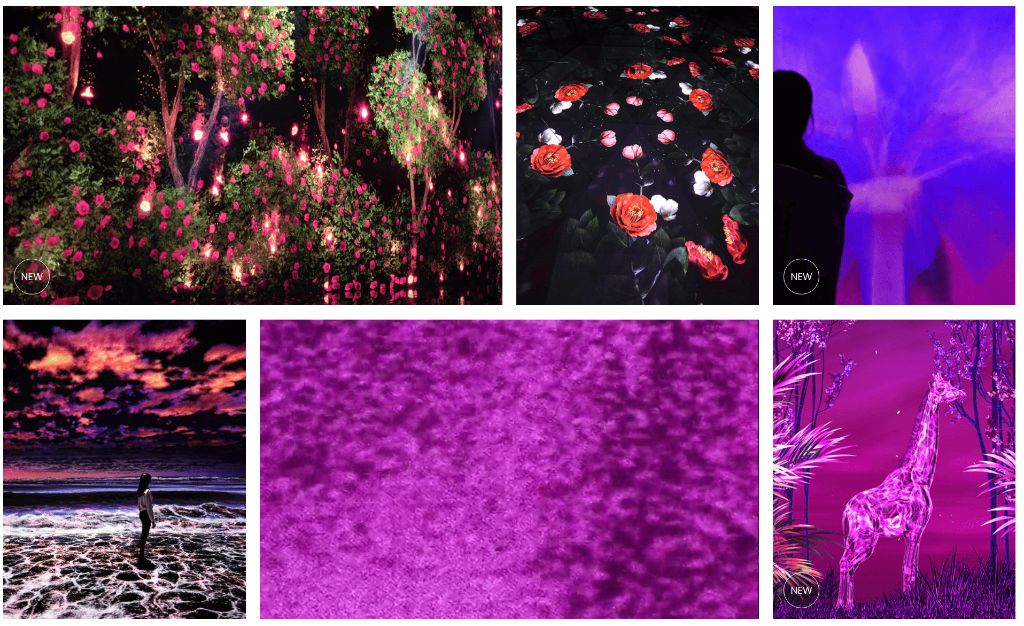
ARTE MUSEUM JEJU is an immersive media art museum where light, sound, and digital art bring Jeju’s natural beauty to life. A must-visit for stunning visuals and unique experiences.
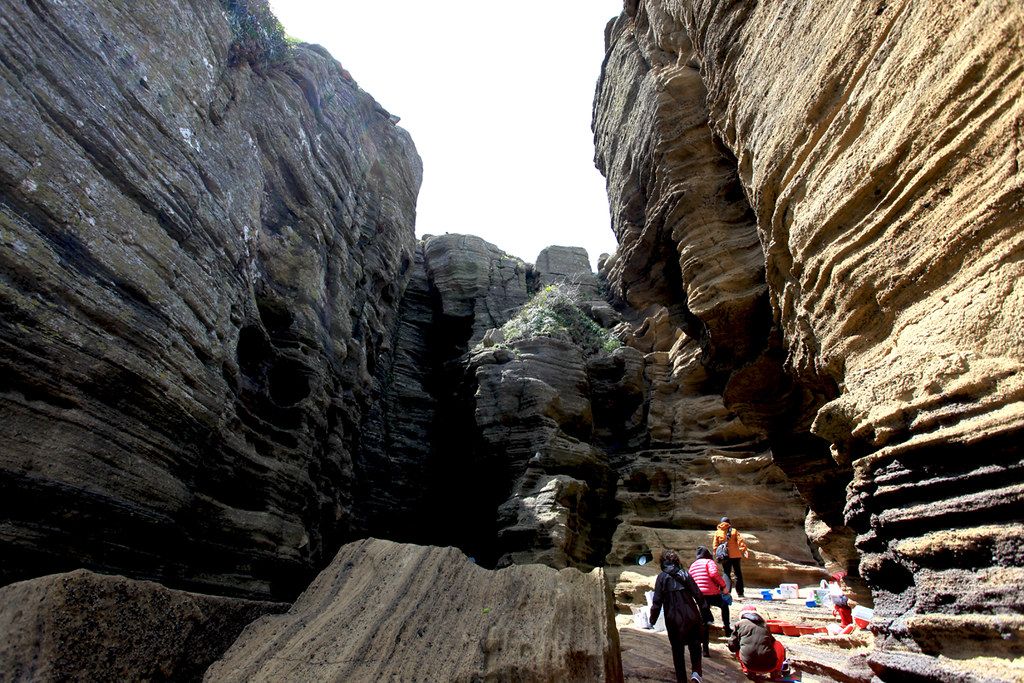
Yongmeori Coast is a dramatic stretch of volcanic rock cliffs in southwest Jeju whose shape resembles a dragon’s head dipping into the sea, formed by millions of years of wave and wind erosion.
Recommended Destinations in South Jeju
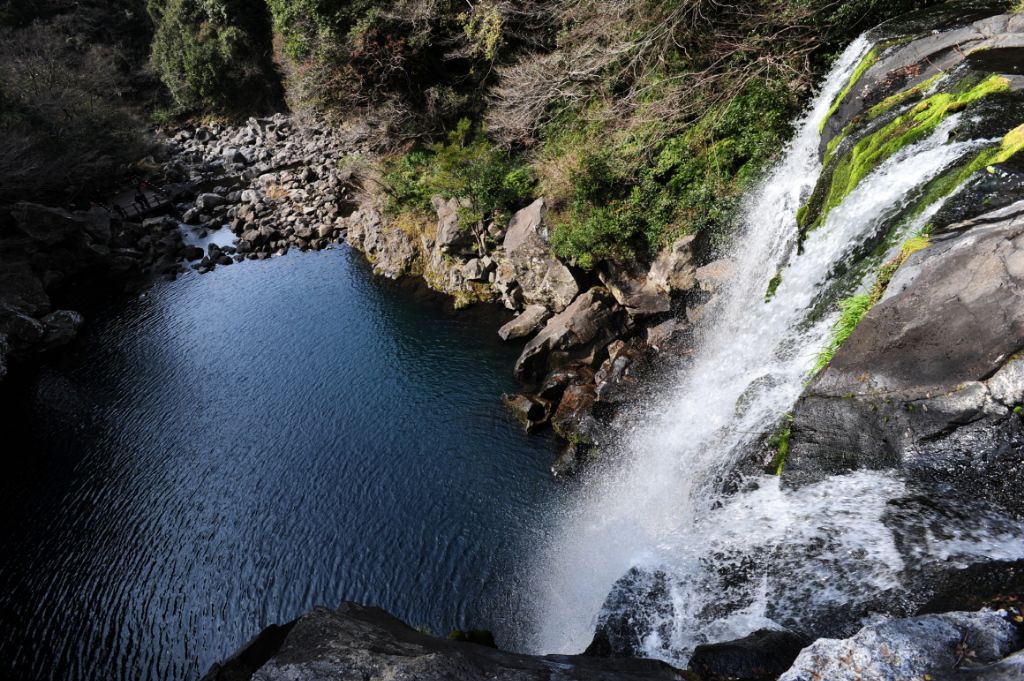
Cheonjeyeon Waterfall, also called the ‘Pond of the Gods,’ is a three-tiered waterfall in Seogwipo surrounded by lush greenery and legend
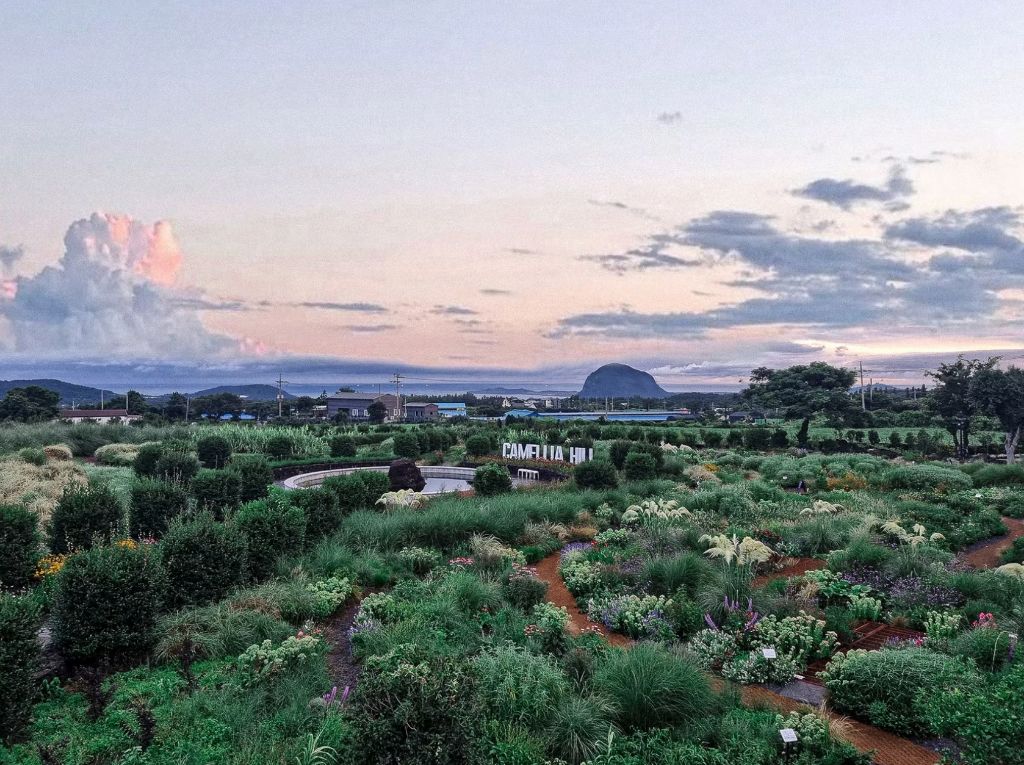
Camellia Hill is a beautiful garden in Jeju featuring over 6,000 camellia trees and seasonal flowers, making it a popular spot for nature walks and photography.
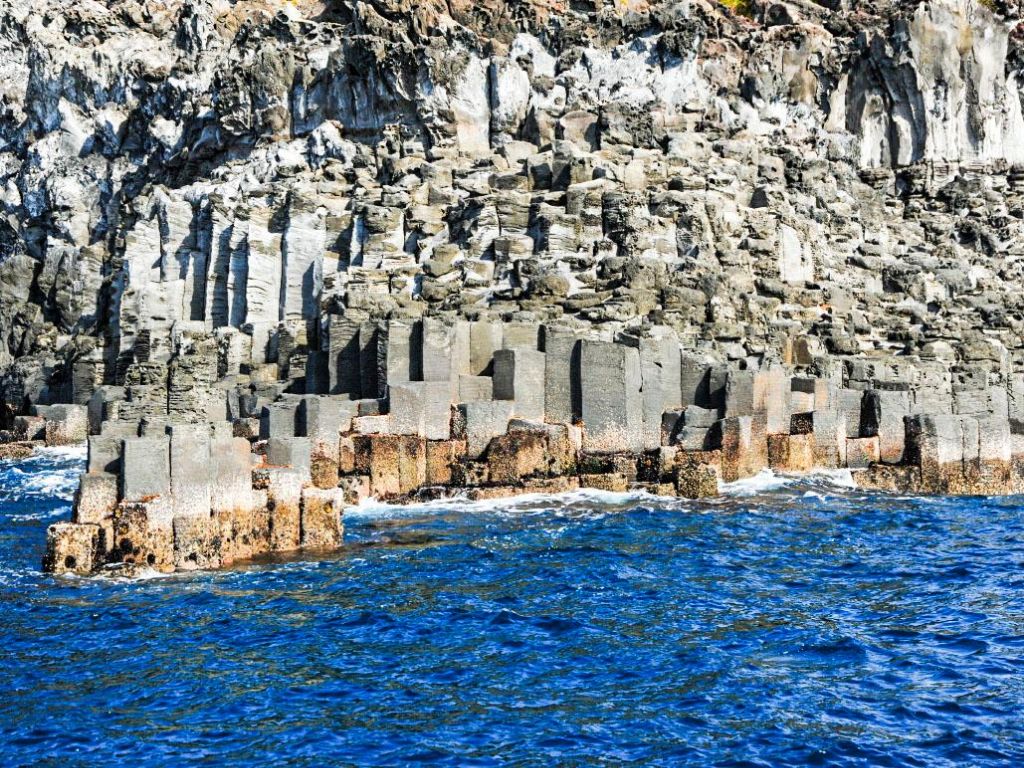
Daepo Jusangjeolli Cliff is a stunning natural rock formation of hexagonal lava columns along Jeju’s southern coast, created by volcanic activity from Hallasan

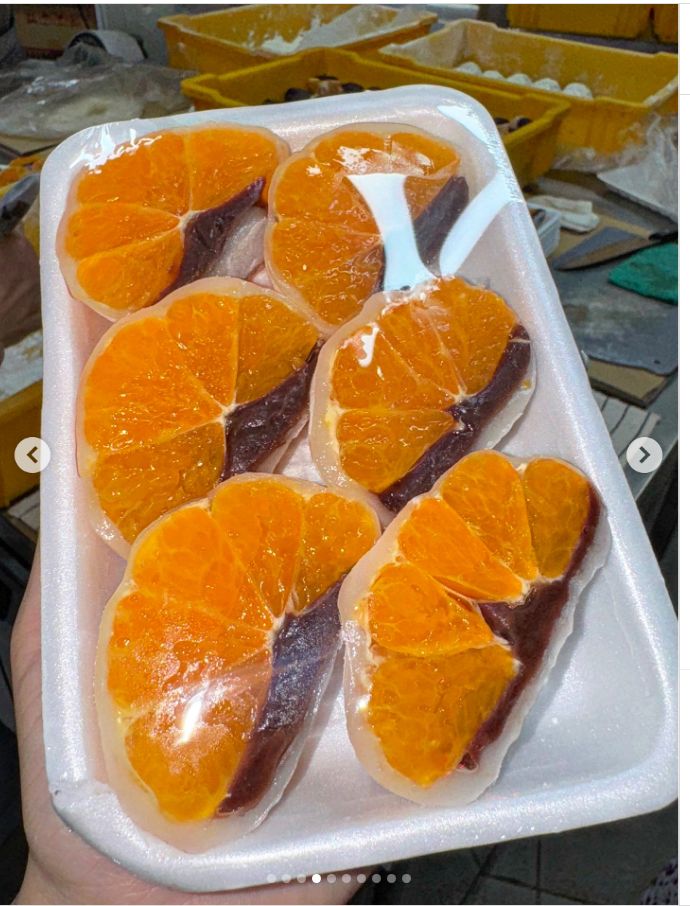
Seogwipo Maeil Olle Market is a lively traditional market where you can taste Jeju’s local foods like black pork, abalone, and tangerine treats
I really recommand this one!! (Jeju Tangerine Mochi)